Theorist (LII)
Nous
Understanding, Systematization,
and Erudition,
but Marginality
Description





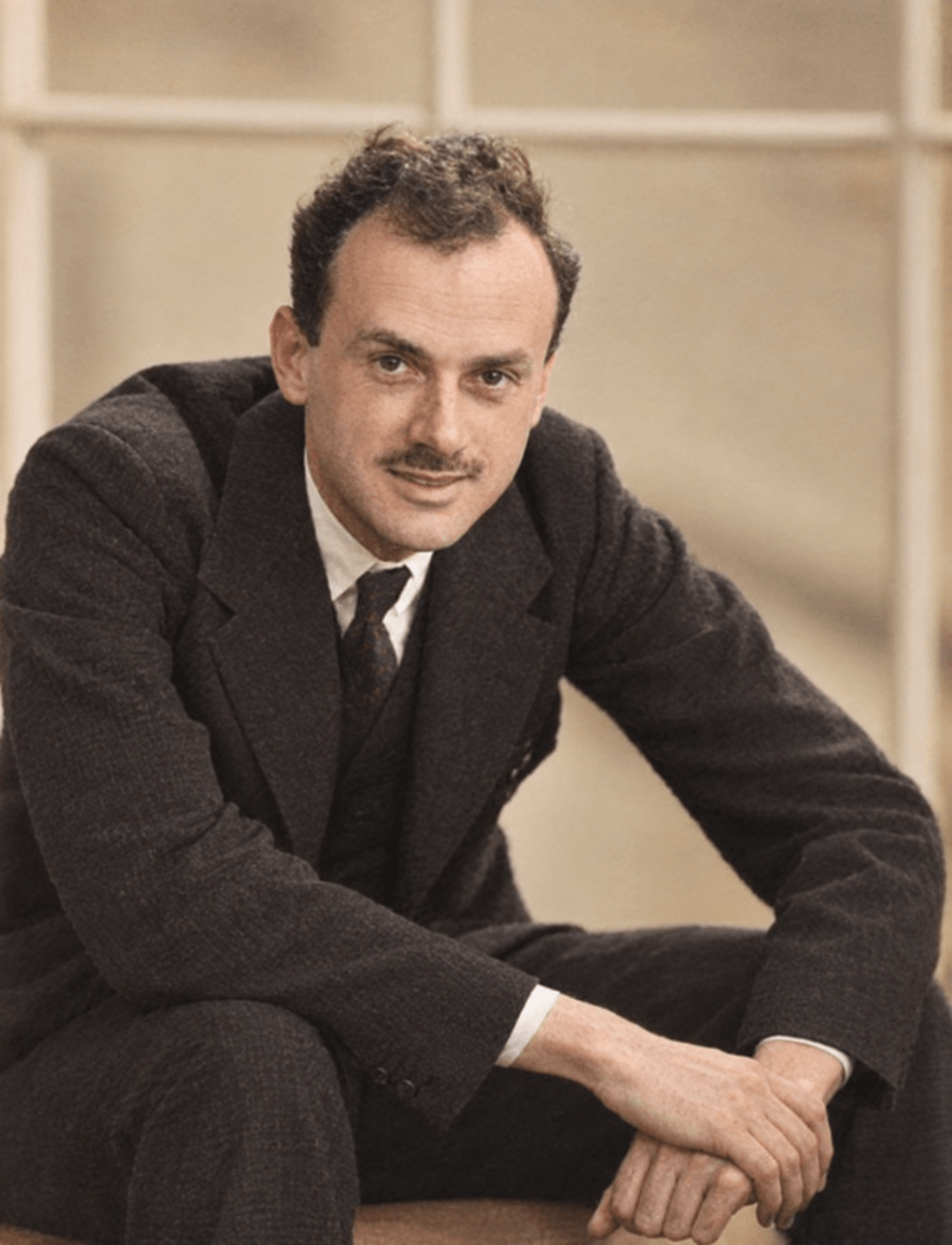
LII
Everything should be made as simple as possible, but not simpler.
Entities should not be multiplied beyond.
The Theorist
Sees the flaw in the argument, says so once, quietly, and does not press the point.
The LII's mind is built for structure. It pulls the shared mechanism out of unlike cases, sorts the result into hierarchies that hold, and spots a logical seam or a small factual slip on first reading. Curiosity never quite switches off, and abstraction comes easily, including the high-altitude kind most people find airless. Some thought is nearly always in progress. A system that finally explains more than it costs gives them a pleasure close to physical. The rest of the apparatus is spare. Faces fade quickly, color barely registers, and what they see arrives as a general impression more than as particulars. Expressions are hard to read and they do not mirror them. They have no means of making someone feel a certain way through tone or silence, and would not use it if they had. Company is effortful and tiring, eye contact is avoided, and being noticed is uncomfortable where others enjoy it. The body runs low. They are slow to get moving and unhurried in reaction, and energy feels limited, so they spend it with care. Wanting is weak too. It can be hard to want anything with force, which is a stranger problem than it sounds and shapes a life over time. Doubt works the other way. A worry about having been wrong or misjudged can lodge for months. Their integrity is the strong part. The LII does not flatter, maneuver or cultivate useful contacts, and finds manipulation both distasteful and beyond their skill. Status bores them. They neither demand deference nor hand it out easily, and a conclusion once reached holds against pressure to drop it. Their sense of fairness reaches past their own circle to arrangements they will never benefit from. It is an unusually clean character, kept at some distance from everyone.
The Gift
Builds structures of understanding that hold, and says the true thing without decorating it.
The Wound
That the interior life which cannot be formalized is the one that determines everything.
Core Illusion
Whatever resists analysis is probably not real. Being correct discharges the obligation. Needing another person looks like a design flaw and is treated as one.
Functions
Truth worked out step by step is what they live by. They define, sort and reason in silence, and hold their own standards against any pressure to bend them.
Possibility serves the model. They find the inconvenient alternative, the case it misses and the larger meaning, then put it down once the structure holds.
Foresight runs without effort. They see how a situation will unfold over time and use that sight to test whether a model holds, without ever valuing it as prediction.
Levels
Something is allowed to matter without being justified first. That permission costs the LII more than any argument they ever built, and the rest follows from it. Feeling counts as evidence even when it will not sort into categories. They stop waiting to be understood on their own terms and do some of the work of being reachable. A sentence of explanation is offered unasked, an invitation sent before one arrives. Wanting gets practiced, and the old lack of appetite turns out to have been partly disuse. The rigor stays.
The work is good and people know it. They sit further out than colleagues realize, and they filed the social cost under temperament years ago. Contact stays tiring. Small humiliations get turned over for weeks, privately, out of all proportion to what happened. Since they will not flatter or maneuver, promotions go to lesser minds who will, which the LII observes accurately and does not contest. The flat appetite is treated as a fixed fact and never looked into.
The world shrinks to what can be verified. Certainty hardens just where it should loosen, patience with other people's imprecision runs out, and withdrawal gets a respectable name such as efficiency, standards, or the poor quality of the conversation on offer. Being right becomes the only satisfaction left, pursued long after it stops paying. The body slows further, its small budget now spent on the argument running inside. Invitations keep arriving at bad moments, enough are declined, and eventually they stop.
Motivation thins until starting things is hard, and then until wanting things is. The system-building stops, and with it the last structure the days had. Flatness settles in without drama, along with a calm and well-argued conviction that nobody was ever going to reach them anyway. Addiction seldom gets a hold on the LII, and this kind of withdrawal very easily does. They miss no group, and no group misses them. The best model-builder in the room cannot build a model of the room they are in.
Angles
Inductive formal logic is the core instrument. Left-hemisphere visual dominance gives strong class-membership recognition alongside weak face and color memory. Written output typically exceeds spoken, since deliberation goes uninterrupted by social demand.
Correct construction, understanding, and the maintenance of epistemic integrity. Altruism runs through values instead of emotional activation, so it operates with nobody watching.
Sharp joy at discovery, quiet contentment in solitude. Something here grieves the distance between what is perceived and what can be conveyed to anyone else.
Minimal physical investment, with slow motor reactions, a low arousal baseline and reduced muscle mass. Deep blue is a preferred color above the population level, and tattoo probability is the lowest in the system. Late speech onset in childhood occurs more often than average.
Low bandwidth and complete reliability. Offers impartiality where warmth is expected. Avoids tactile and eye contact. The cause is a different sensory economy, and people read it as coldness.
Retains theoretical and systemic material, discards gossip and surface aesthetics. Feels like efficiency from the inside and reads as aloofness from outside.
The withdrawn expert, offering disinterested structural analysis when asked and staying peripheral otherwise. Indifference to status is total and unperformed.
The Work
Being right is already handled. The work is letting one thing matter that cannot be defended in argument, and letting one person close enough to see the part that was never a structure. Both are risks, and the LII is correct about that. The error is treating the risk as a reason.